Crete

I finally met Herakles. He worked for the archelogical site at Malia, where he mostly just soaked up the Cretan spring sun and listened to the bees in the fields of yellow wood sorrel, while protecting the site from unruly tourists. He told me a version of the Dionysus myth that I had not heard before, earning him the name of Dimetrios, one born from two wombs. According to this story Dionysus was the favorite of Zeus so the Titans decided to destroy the young god. They seduced him by putting a mirror in front of the boy who then chased after his own image until he came the end of the universe, where the Titans tore him apart and ate everything but his heart. Zeus recovered the heart, which he then sewed into his thigh so that the young god could be born again. I had been concerned about considering Dionysus as one of the dying and resurrected gods, because most of his myths don’t include killing and rebirth. It was great to know that this version is still in use among Greeks.

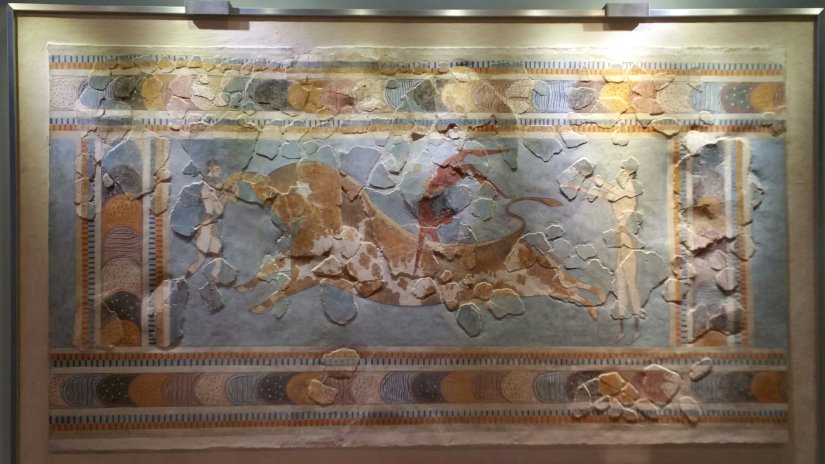
The mythical Herakles also came to Crete where he wrestled with and led away the Cretan Bull who had fathered the Minotaur, by fulfilling the queen’s unatural lust to have sex with this magnificent bull. Much of the Minoan religion, which predated classical Greeks occupation of the island celebrated bulls in religious ceremonies, including the feat of bull-leaping. Instead of goring the bull as modern matadors do, a team of acrobats would assist as one grabbed the horns and used the momentum of the bull tossing it’s head to somersault over the animal and be caught by a teammate. Given all the other extreme sports being mastered these days, I’m surprised this ancient game has not been revived.
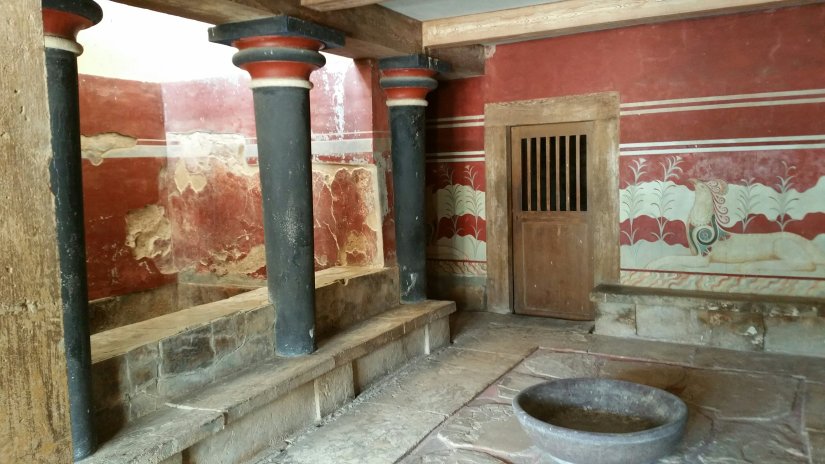
Most of the sites that I have visited in Crete have been from the Minoan civilization, which thrived until about 1200 BCE. It is particularly known for the graceful architecture, frescoes of nature and goddess imagery. Women seemed to have held an honored position in this culture. Nothing has sparked my imagination quite as much as the lustral baths, which are in lower chambers with openings above to let the light cascade down alabaster walls. This is the antechamber; the bath is down the stairs beyond the low wall. Today birds fly through the halls of light and color.
I visited more ancient sites near Arkanes, where the first wine was produced. Many of the less well known ruins lie beyond locked gates at this time of year, but I had a glorious stroll (13 mi.) through the olive and grape fields back into town… the road less travelled.
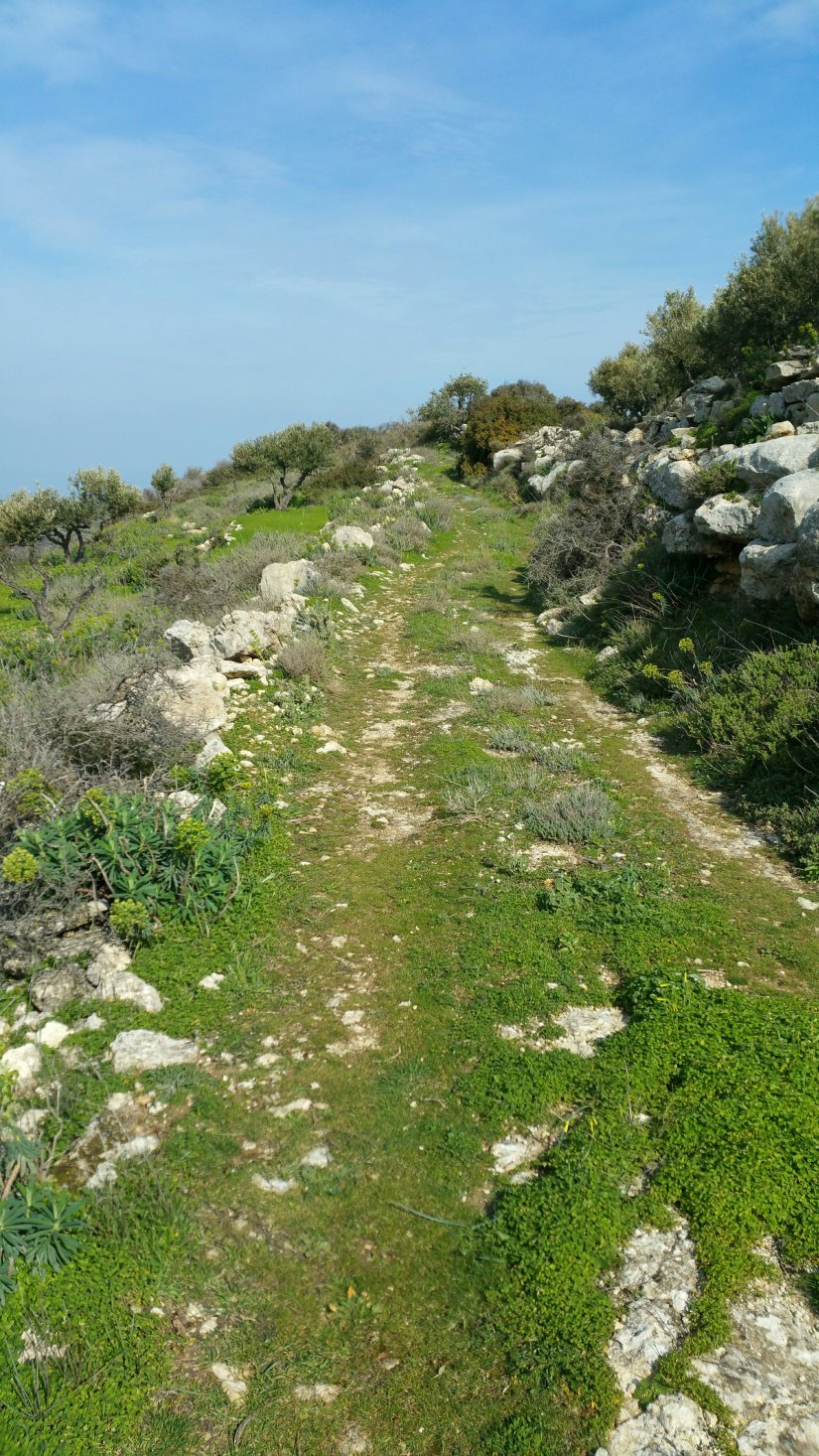
Between rocks, trees and beaches, it’s been pure bliss.
Sicilia

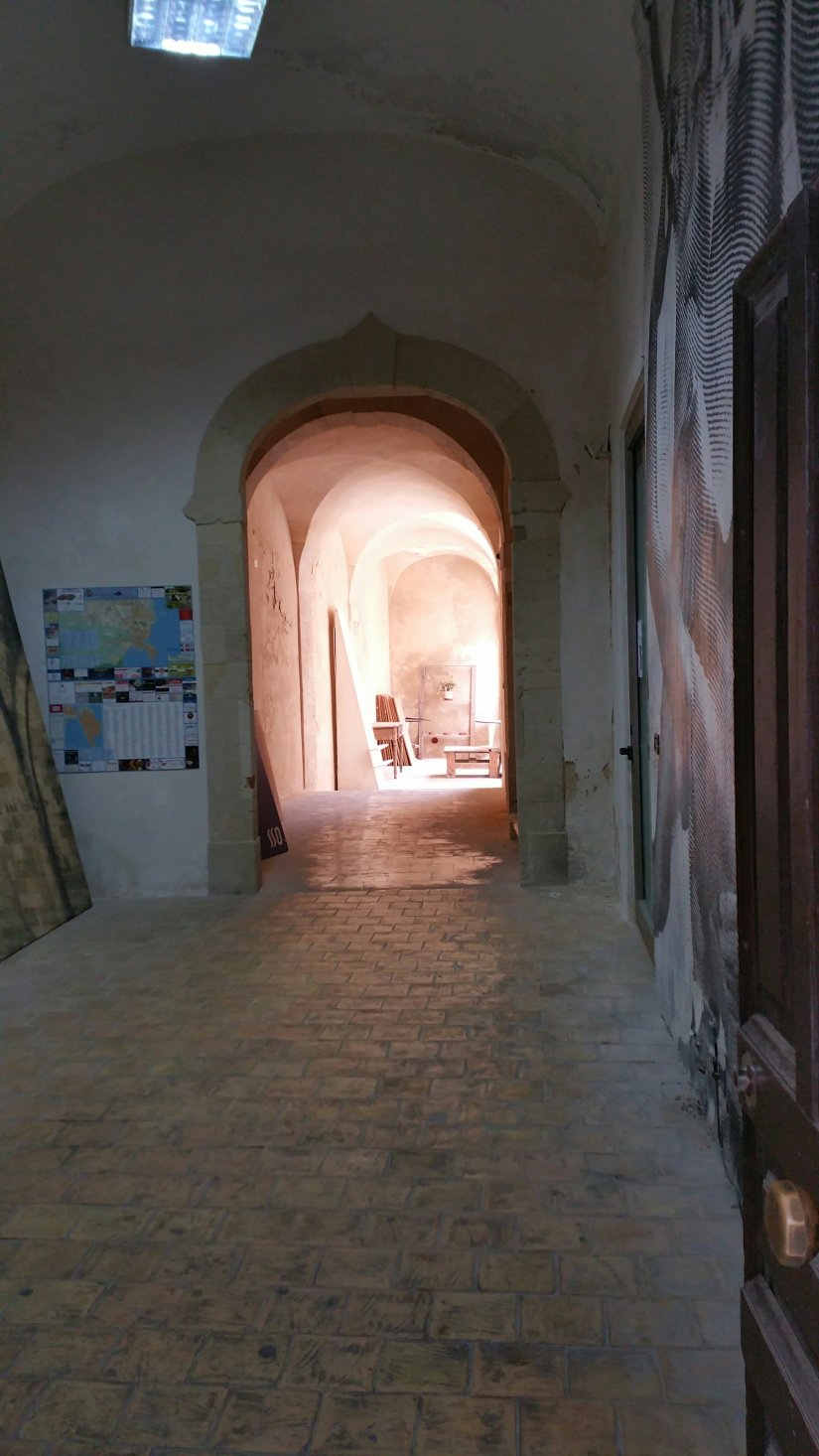
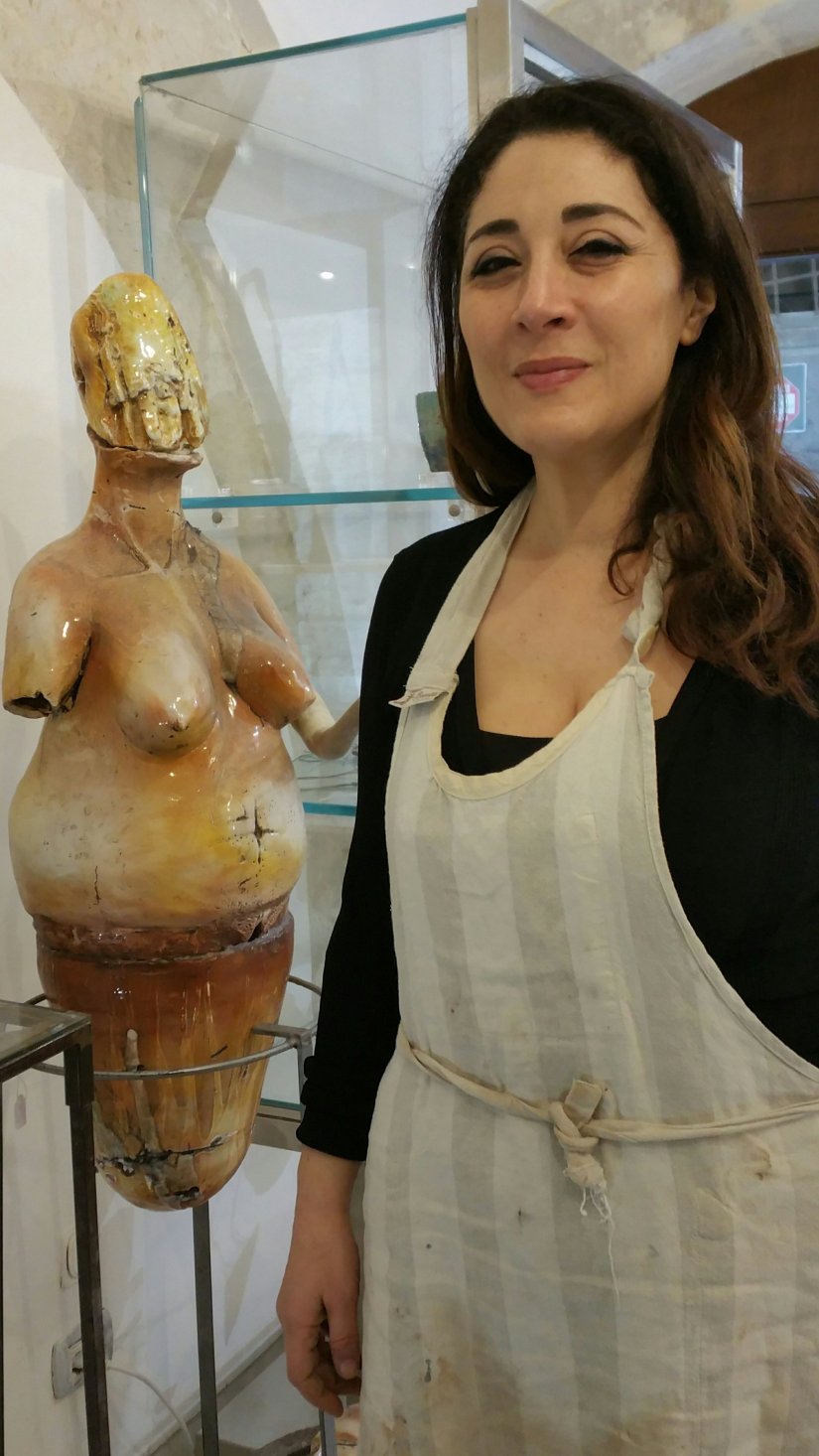
I seem to be deep in the heart of parlo solo italiano, but that works too. I had a great conversation with a woman sculptor, Stefania Pennacchio, in the center of the ancient city of Syracuse about art, mythology, women and speaking with the heart. In the end that is where all language starts and ends.

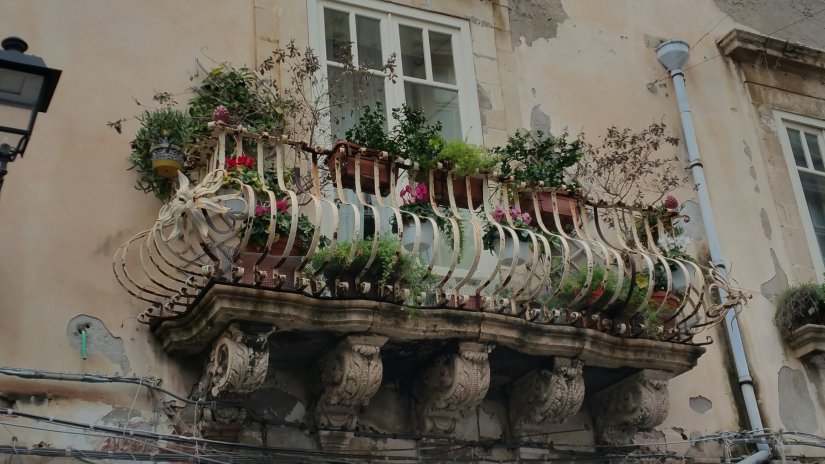
Half of the city is on the island of Ortigia, connected by two bridges to the mainland. It is a magical maze of narrow streets lined with potted cactus and wrought-iron balconies. It seems to me that avoiding cars on these streets only a couple of yards wide is hard enough without filling the “sidewalk” strip with cacti, but it does add to the ambience. I realized there are no pedestrian crossing lights here either… you just kind of pick your best shot for slinking through traffic.

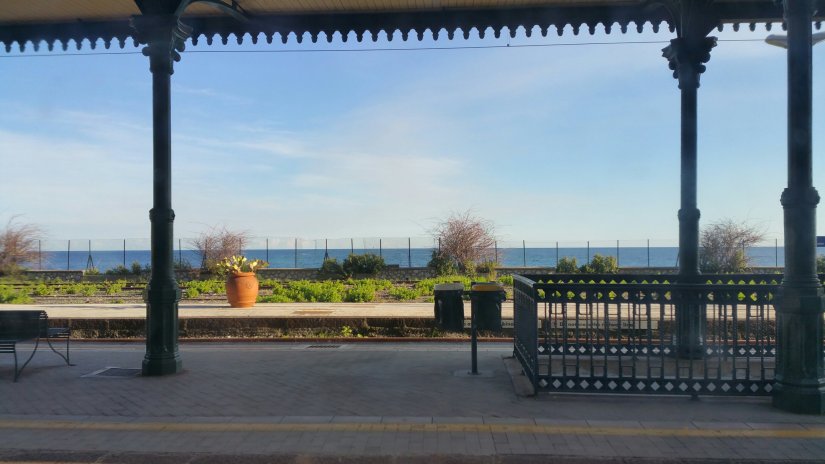
The ferry ride between the boot tip and Messina was quick enough, I just had no idea I would need to book ferry and tram rides in the 20 minutes the train schedule gave me to make the transfer. Had to catch a later train and couldn’t contact the guesthouse that I would be two hours late, because there is no open wifi anywhere on public transport in Italy. Most train stations only have bathrooms in their cafe/bars and there are no ATM machines either. In spite of logistics, I soon feel in love with Sicilia.

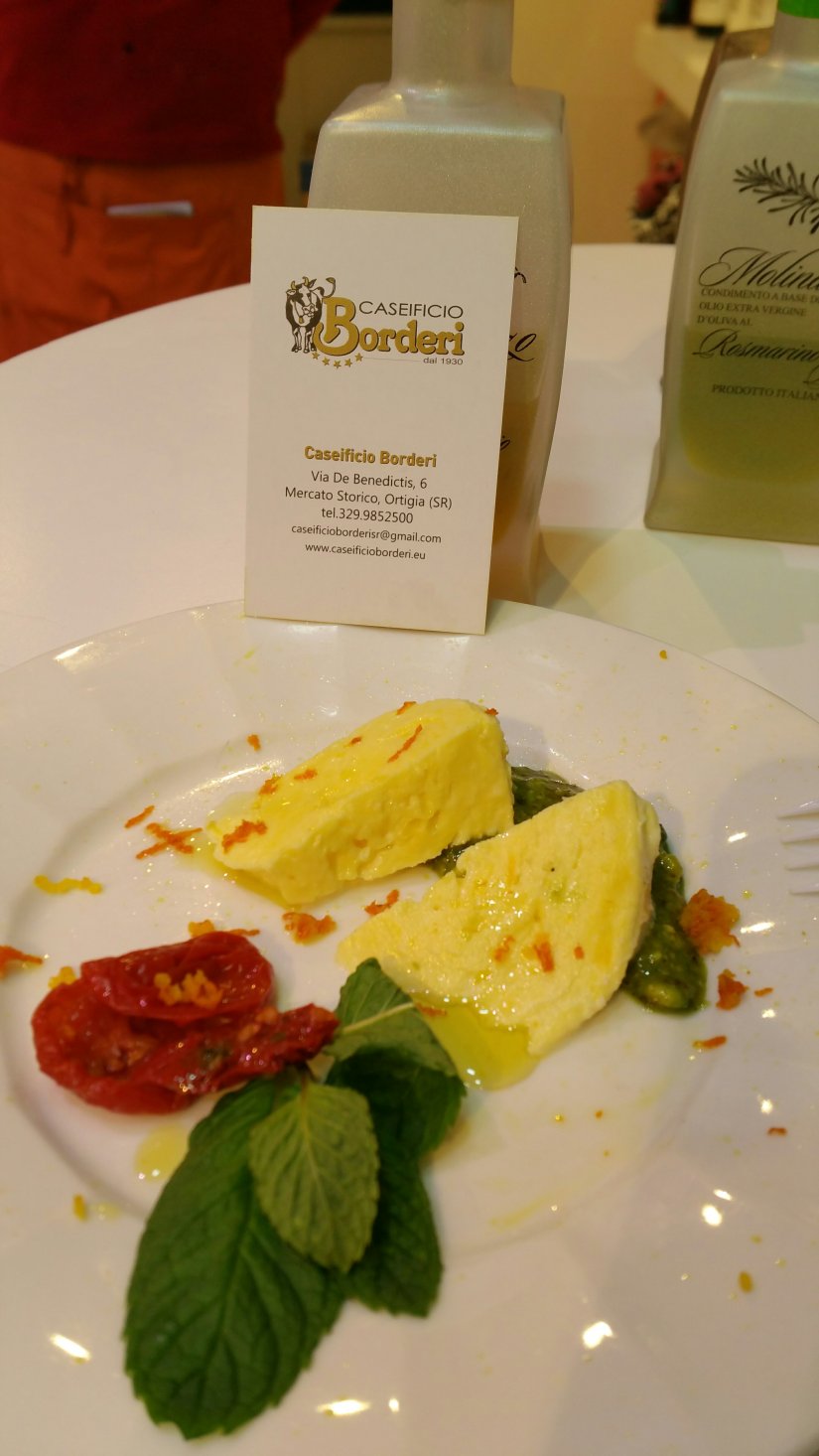
I noticed right away that the plants here are a mixture of desert succulents and tropical species. Phildendron, banana trees, rubber plants and other common houseplants are trees lining the streets here. On the train to Syracuse I was puzzled by the trees with bright red flowers all across the top, until I realized that they were poinsettas. Everything is blooming even in January and nothing is subtle. The market was rich with fresh vegetables, fish and saffron infused goat mozzarella served with mint, shaved orange peel and pistachio pesto.

It is no wonder that there is a Herakles story to establish Greek authority to own this land. Many of the labors are thinly veiled claims to kingdoms and lands that Herakles supposedly won by defeating the native populations. In Sicilia a man named Eryx (Aries??) stole a bull from the herd of Geryon cattle, which Herakles had stolen in Spain. Naturally, Herakles killed Eryx for his audacity, but generously allowed the inhabitants of Sicilia to enjoy the fruits of their land until his descendants one day returned to claim sovereignty. Those descendants were mostly Spartans. Many of the places where Herakles overcame adversaries had a historical record of the native population being decimated and a second town of the same name was established on a remote island or in modern Turkey by the survivors. Herakles was mentioned by Homer and other early Greek authors, but the bulk of his stories were compiled in the second century AD by pseudo-Apollodorus, who not only had an interest in mapping the night sky, but also in establishing rights for Greek rulership across the Mediterranean.

Italian Footprints

In the last couple of days I’ve moved by bus, ferry, and train to the tip of the Italian boot. I found Herakles footprints again in the museum at Paestum on the Amalfi coast. Panels from temples here once showed many of Herakles’ exploits, including one tale I had never heard about in which Herakles is drawing his sword to defend Hera. Usually, our hero had a negative relationship with his stepmother.

The adventures of Herakles took him across the Mediterranean. One of the longer stories was the “labor” of stealing the cattle of Geryon, which is said to have taken place in southern Spain in the region where they currently make sherry. Herakles stole the cattle killed the shepherd and his dog and then drove the cattle along the coast of France and down the western coast of Italy until he reached strait between Italy and Sicily. According to myth, Herakles swam across the strait. Tomorrow I’ll be making the same crossing needless to say without swimming, thanks to the ferry and some more trains.

We would expect to find images of Heracles in any Greek temple, but it was still interesting that such a violent character is idolized in a site initially honoring Hera and other goddesses. If Hera was an earth and fertility goddess, then she found the right place. The train today ploughed through a sea of greenhouses and finally a region of fields and olive trees, before dropping me off right in front of the archeological site. The ten minute walk was richly perfumed with manure and falling rain. All night a huge thunderstorm raged (Zeus was on a bender.), which was received as a blessing by these verdant hills. In ancient Greece January was called Gamelion, the sacred time of the marriage of Zeus and Hera, sky and earth. Through the pouring rain, I certainly felt blessed and wet… it felt like the gods were getting it on.

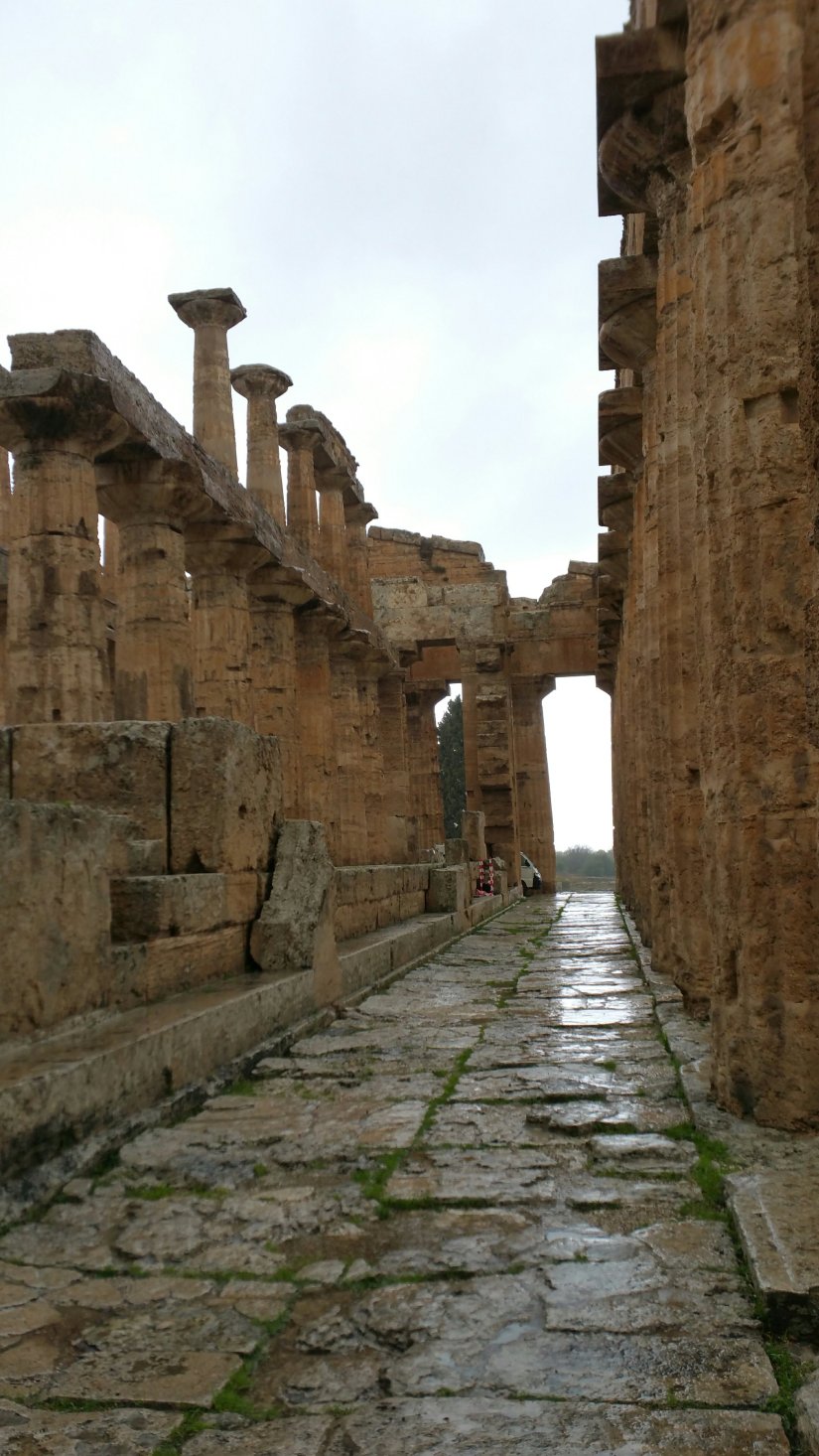
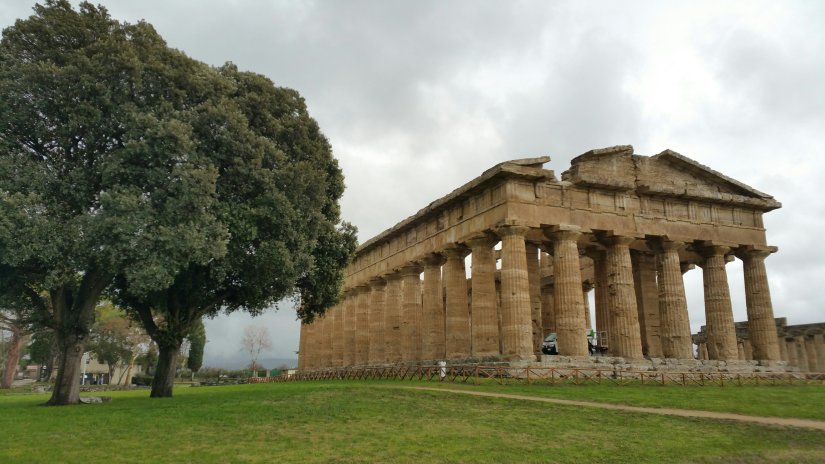
Paestum has some of the best preserved temples anywhere in the Mediterranean. The remains of the city still surround the temples, giving one a good sense of how they lived together in Greek and Roman times. We were allowed to enter the temple, but since it was raining I virtually had the place to myself.

The signage hints that the biggest temple was for Apollo or Neptune, but Wikipedia says that the first two and oldest temples were built in honor of Hera and the third temple was Athena’s. Some of the information in the visitor centre implies that a great mother was honored here as well. Originally I thought that Paestum meant it was a place of peace (paix), because that is how it feels. I was astonished that at the remains of this ancient city continue to hold an energy of prosperity and fertility just as the healing centre of Epidaurus felt very high and light.

Halcyon Days

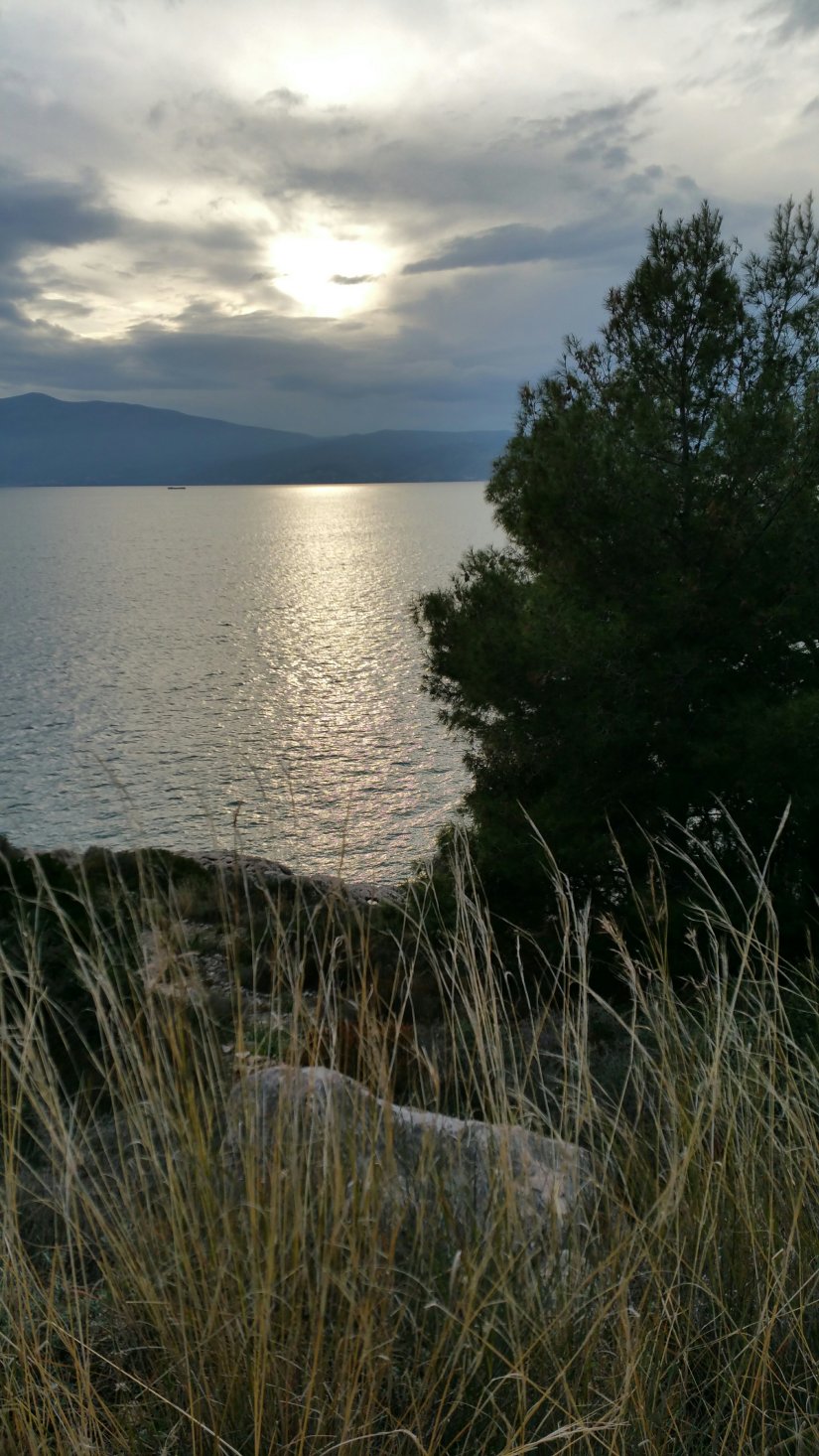
After visiting Mycenae this morning, I went for a long walk along the sea cliffs this afternoon. I am immersed in the sea without even getting wet. The sounds of waves washing against the rocks, the milky blues and bright turquoise reflections, the smell of the sea and it’s mutable emotions engulf me. Clouds moved in today softening the landscape and muffling the sunset into a pastel palette. It rained a few drops, but it still feels like the best of times: the calm weather and clear sailing of halcyon days.

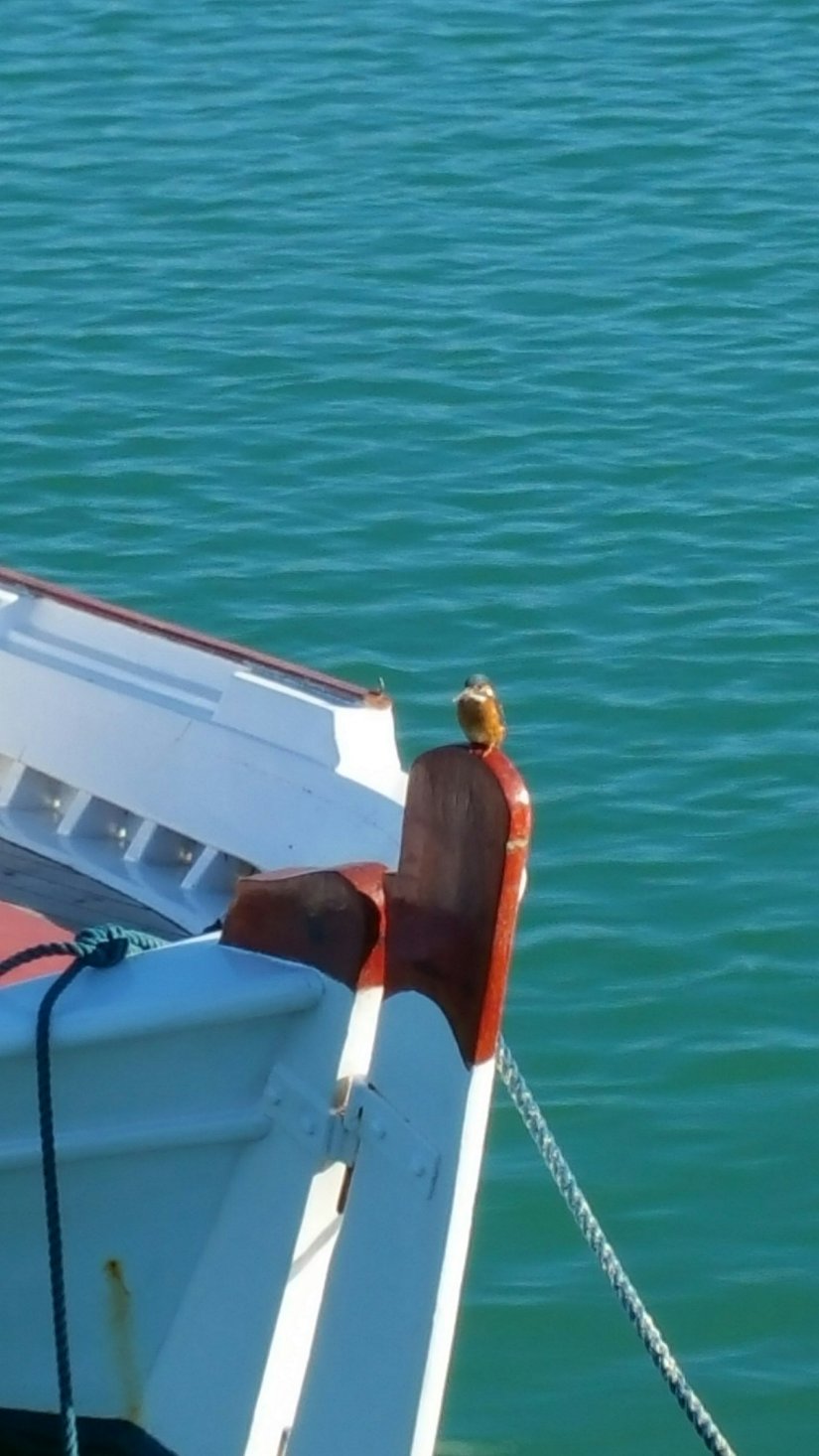
Today I saw my second kingfisher leaving a tracer of neon teal as its back receded from my view. Unlike American kingfishers, these have bright backs that match the clear Mediterranean waters. Not only does this bird bode good times, but it also showed up in Greek mythology. It was so iconic that it became one of the adversaries of Herakles, namely Alcyoneus. Why Herakles would do battle with kingfishers has been puzzling, but it helps to recognize that each of his adversaries stood for a constellation. Alcyone (fem.) was to the Greeks the brightest star in the Plieades. This star cluster is recognized all over the world even though it was not specifically named as a constellation by Ptolemy. It was historically one of only a handful of constellations that occurred in early Greek writing.

This is a kingfisher, even though I am not a bird photographer.

In the Herakles story, Herakles kills this giant who is then mourned by his seven daughters. Older constellation stories talk about the lost sister who is mourned by her sisters, or they are a flock of doves or kingfishers. Myth would lead us to believe that the six stars visible to the naked eye once had a seventh companion who has faded from view over the eons.

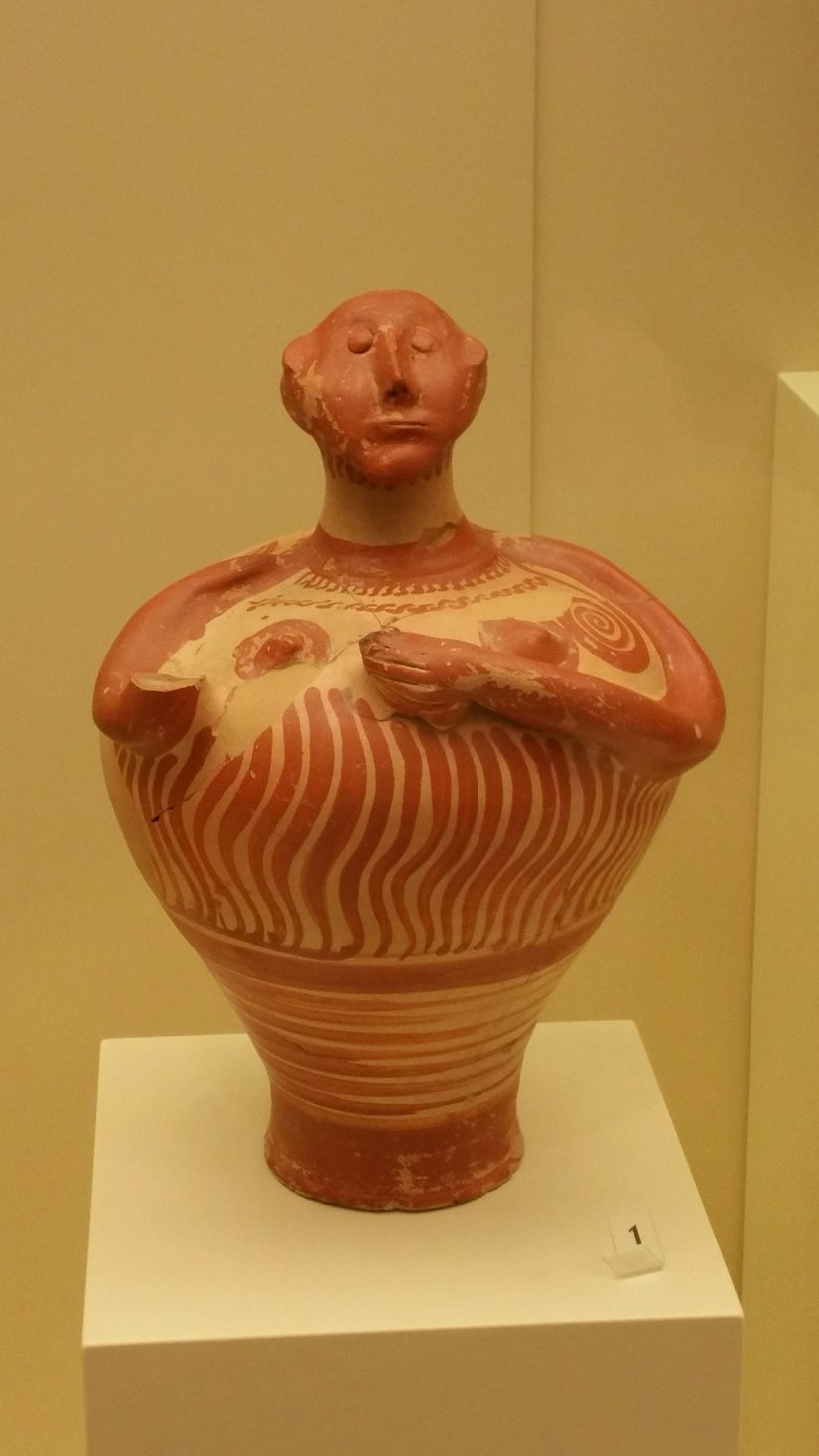
Other women who have faded from view are living on in the museums of Greece. After searching the Internet for goddess images that would work in my book, I thought I had seen them all. I am a astonished at the beauty and abundance of goddess statues, paintings and figurines that I have never seen before. What a blessing.

I was just rounding the cliff edge which brings me back to the hotel when I heard a choir of men singing hymns. I sat for a while in the gathering darkness soaking in the harmonies, still filled with the sound of the sea and the promise of rain. I have a recording for you but naturally, I haven’t mastered the tech of attaching sound bytes. ..bear with me.

In Search of Hydra

The home of the Lernean hydra, once called Lerna is now Myloi… a mere 8 km away. There is no direct bus service, so I decided to walk. I was following the bay on a road without shoulders, with lots of trash and the smoke from industrial chiminies that had choked me yesterday when I walked to Tiryns was now blowing toward Myloi. I bagged my goal and headed down to the shore. I started across a field of fennel and other familiar herbs, crossed the old narrow gauge tracks and then found myself in swamp lands. I took off my shoes and slogged through until I reached the sand beach. There was something about the marsh that reminded me I really don’t know anything about Greek snakes.

There’s plenty of trash, but I was impressed in the variety of shells and sea life scattered in the sand. Lots of life in these clear waters. .. not like So Cal.

There were also lots of birds. At the mouth of a small river, a flock of white heron?, looked a lot like the old pottery paintings of the Stymphalian birds. I didn’t notice them shooting metal feathers at me and they calmly moved further south as I approached. There were also cormorant, grebe, terns, gulls, of course and sandpiper, including one one-legged sandpiper which actually managed quite well hopping down the beach. And then I saw my first pink flamingo. I thought they only lived on lawns in Florida. Maybe that’s what frightened Herakles so much, they are strange and flock in large groups. Not only was I within a few km of Lerna, but Stymphalia’s lake is about half an hour away, if you could find a bus that goes there.

I had a wonderful beach walk, didn’t encounter any snakes in the grass and communed with Stymphalian birds. There is an archeological site at Myloi, but there is probably no evidence of cult of Demeter and Persephone, which were said to guard an opening to the Underworld in Lerna. Certainly that would have been a good place to find the Hydra who also guarded the underworld by lying along the celestial equator, languishing just above the horizon that marked the edge of the unknown. Hydra was the largest constellation, though not very bright. In the Herakles myth, Hydra was raised by Hera, according some sources in Argos. At any rate, Hera, Demeter and Persephone were all chthonic goddesses, who kept snakes as messengers. In many of his labors Herakles claimed to destroy kingdoms which were once known as places of goddess worship. In Stymphalia, the temple to Artemis contained sculptures of women with bird hips and legs. Flamingos? My hunch these days is that this labor is related to the old constellations of Ostrich nest and Ostriches in the constellation we now call Eridanus, but there are several birds among the stars, so this trip might bring more insights.

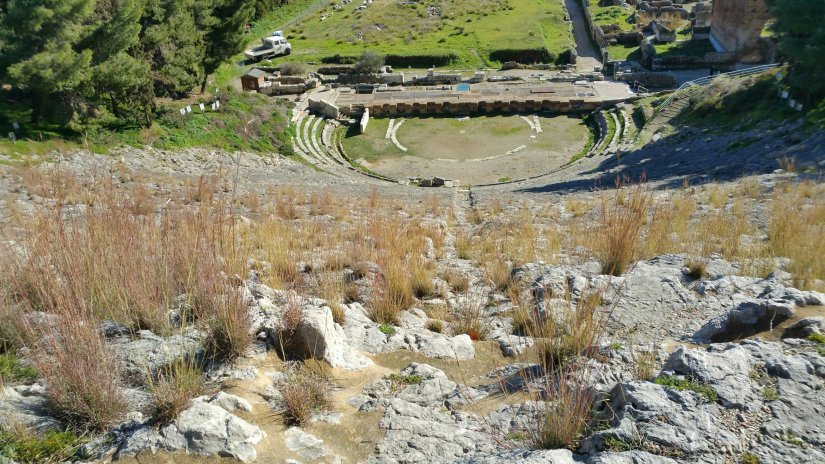
I got back into Nafplio in time to catch the bus to Epidaurus, the ancient healing center and home to the largest preserved theater in Greece. It still had incredible healing energy, up in the pines with singing birds and lots of languid cats and dogs sleeping all over the place. They seem to be well loved by the Greeks.

A few random tourists were there by car, but I was alone getting off the bus. I quickly found the abaton, where guests used to sleep to have healing dreams or be touched by snakes in this below ground “dormitory”. We’ll see if the snakes visit me in dreams tonight.

Peloponnese: Where Herakles Got Started.

Herakles travelled all over the Mediterranean, but most of his tales were in the Peloponnese, that huge peninsula west of Athens. A couple of days ago I passed through Nemea, where Herakles defeated the lion in his first labor. I have been drinking their famous wine ever since. Here’s to Leo, the great lion sacred to the ancient kings, whose brightest star is Regulus, the king. Herakles wore the invincible lion pelt through all his other adventures.

The last two days were spent in Argos, where the limestone theater was carved from a single outcrop. It was large enough to seat 20,000. Today it is seating mostly wild grass and enormous opuntia (beavertail cactus). I was alone there… not at all like the places in Athens. Argos was once sacred to Hera, but the signs here say that the Heroon, was a temple to the heroes in the war with Thebes. Somewhere in the hills there are the ruins of her ancient temple.

I am in Nafplio now, a lovely harbor town. The fountain here is where Hera bathed once a year to renew her virginity. I’m hoping it still works.

I’m getting a lay of the winter transportation network. A storm kept all the ferries in port when I went to find my first Greek island. Buses on these mountainous roads are a kick to the stomach. Trains are easy, but very limited. Don’t see the next step yet, but I will soon.

Athens: getting my sea legs

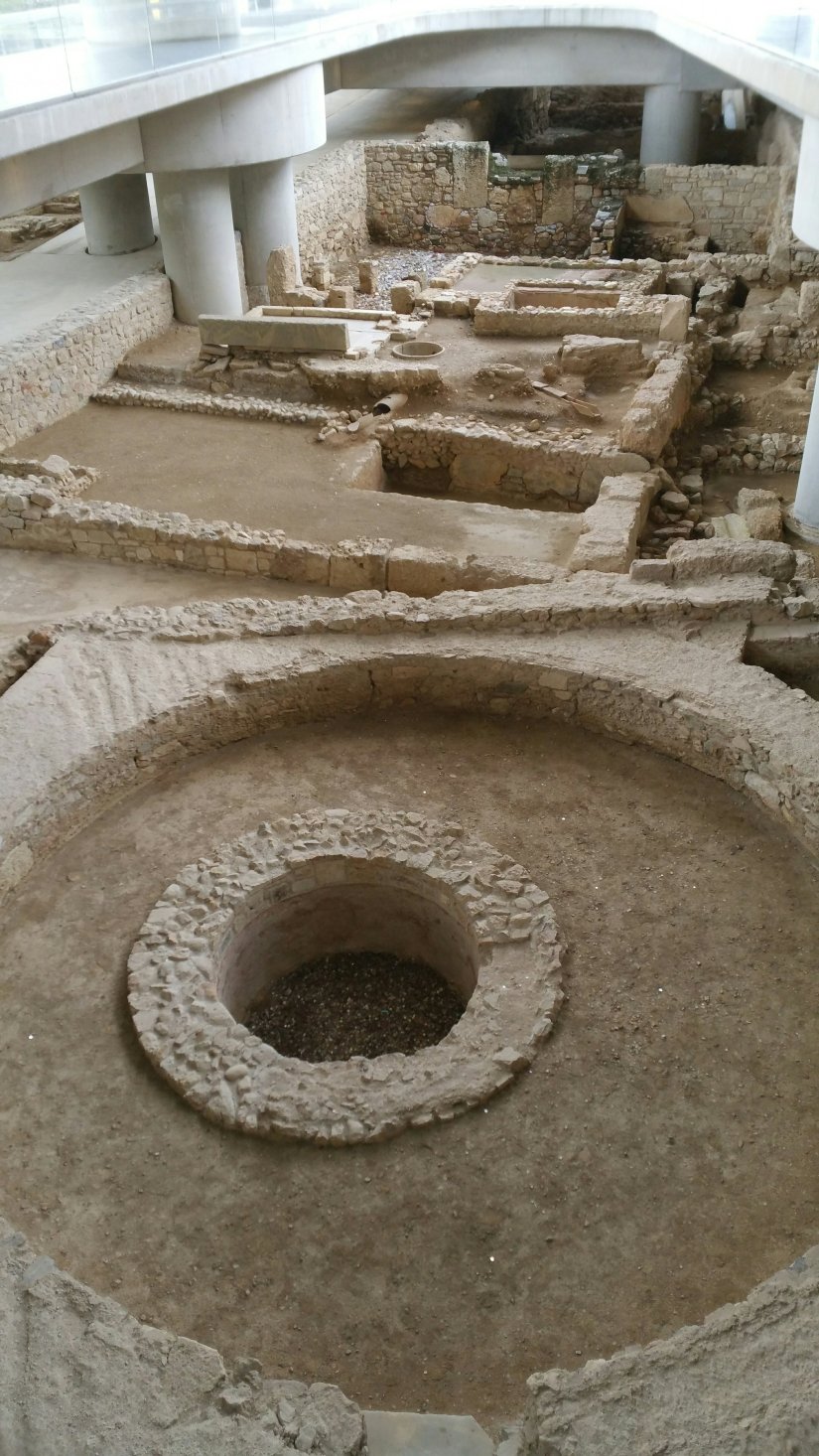
I feel like I have been on a boat ever since arriving in Athens. I found my hotel on a pedestrian side street in the dark after 48+ hours of travel, but I have been lost ever since. Right out the door of the hotel, I followed the next”street”up three flights of stairs. Many of the streets are stairwells lined with potted plants and all the rest of the streets climb or fall with the hills underfoot. There is also a time warp. Today at the Acropolis museum all the floors were glass exposing the archeological dig below. It is one thing to know that ancient people lived and died in the place you now tread but in Athens that history keeps breaking through the surface.

Whether the accuracy of marble statutes or whether time is nonlinear, I get the sense much is still happening and I am strolling through the layers of time.

There have been so many temples in this city it is easier to make note of whose missing. Hera, Zeus’ wife was vilified in most myths, but widely worshipped among women hoping for good marriages. Maybe there was a temple for her in the old city I just missed, since most temples in that section are squares of rubble recognizable only by the signage. Poseidon is also missing. Myths tell us that he and Athena fought over the city. Poseidon lost, big time it seems.

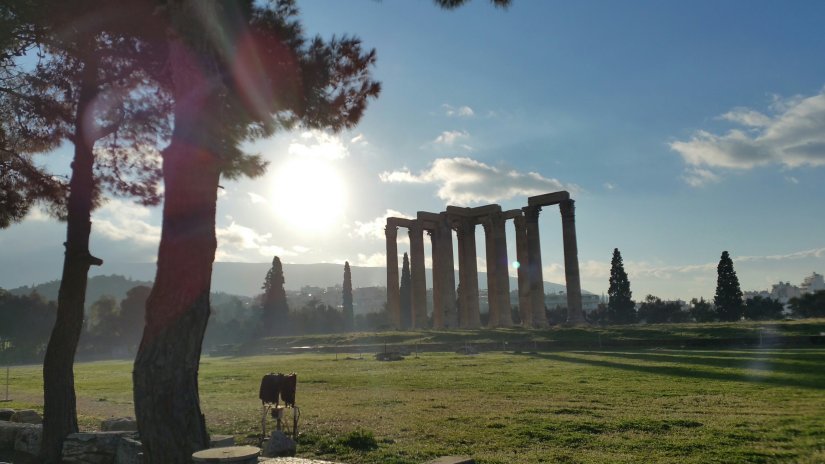
On the other hand the sheer massiveness of the Parthenon and Zeus temples are mind blowing. It’s one thing to believe the gods will help you, but to honor them with temples that they require decades to rebuild with modern equipment when the original builders were in the Bronze Age living in houses of stacked stone is a remarkable leap of faith.

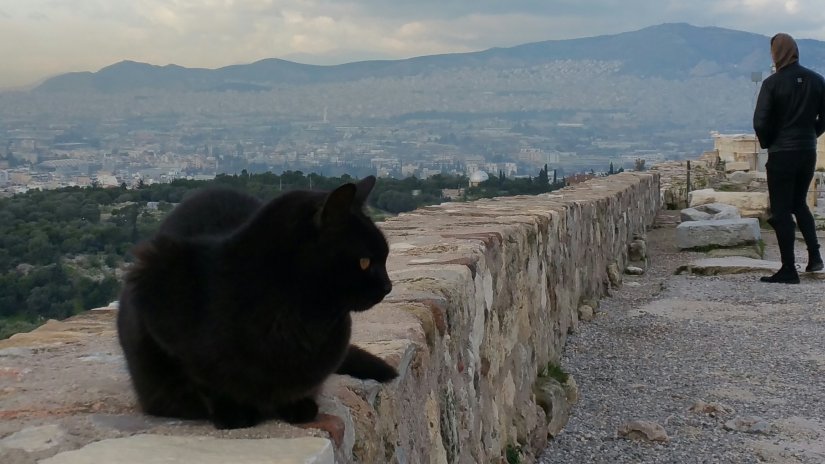
The sense of time warp is only exacerbated by the cats. They are guarding every temple, graveyard and ruin with those crazy eyes that see only one time. Did ancient gods leave them here to hold down the fort or act as spies? I know: they are acting as unregistered foreign agents for the aliens that were powerful enough to put the “fear of god” in primitive people inspiring them to build such incomprehensible edifices.

Epic Journey

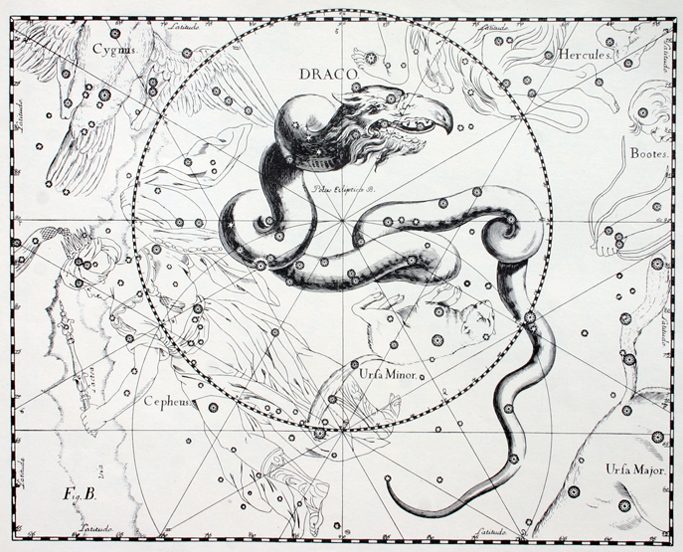
After years spent writing about Greek mythology, I am finally on my way to get a real feel for the land. Since I am currently augmenting Decoding the Night with an online addendum of Herakles myths, I have decided to use that as the theme for my blogs. There are 48 characters in the labors of Herakles, each of which is related to a constellation. As it turns out, I will be travelling throughout the same lands that Herakles traversed over the next 48 days. One a day.

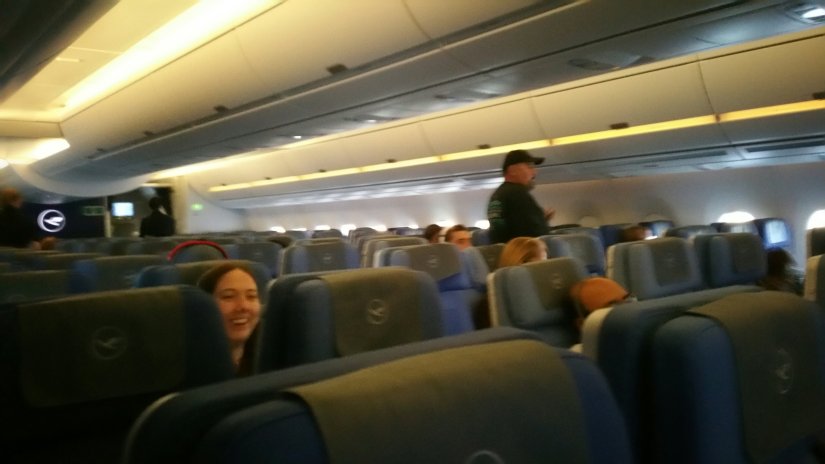
My own journey has had a bit of an epic start. The flight out of Moab was cancelled due to fog. The locals will recognize the irony of missing a flight from Moab due to fog, because we almost never have any fog in the desert. Chris, the EMT have me a ride with him to Grand Junction, where we were able to pick up a flight to Denver. I got to the gate in time to find out the Munich flight was delayed by 20 hours. As you can see the upside of this inconvenience is that the plane was nearly empty by the time we took off… after deicing, because a snowstorm had come in overnight. There may even still be snow in Athens, which came down as I began this journey. Stay tuned.

Civil and Agrarian Goddesses

95-Athena goldenWBGOver the thousand years of Greek civilization there was a shift from tribal, agrarian beginnings toward the development of city-states. The ceremonies, myths and deities that reinforced either allegiance to the state or carried on older, fertility enhancing agricultural practices developed significant differences. Athena, the goddess of Athens, was the warrior daughter of Zeus, armed with a bright helmet, a spear and the aegis of Medusa. Her primary ceremony was the Pan Athenia a series of games and competitions among men, with a larger competition taking place once every four years. The opening ceremony involved the entire city and the women of Athens wove new robe for Athens’ statue which was ceremonially presented, but otherwise it was a segregated event. Her Pan Athenia took place in high summer when the constellation of Cygnus culminates, so that the goddess appeared to ride above the all night festivities called Pannychis (all-nighter).

The goddesses Demeter and Persephone represented the other side of the population. Initially only women were allowed to participate in the Eleusinian Mysteries and related agricultural ceremonies, which took place throughout the year. Eventually, the Mysteries were opened to anyone who did not have “blood guilt.” In other words, anyone who had killed another person was barred. Since the city-states began as military coalitions, this meant that virtually all of the male citizens were soldiers. The Mysteries were famous for being open to women and slaves.

Their ceremonies may have started as work parties for agricultural tasks, such as sowing, harvest and threshing. These tasks and the festivals that they inspired were timed to a lunar and sidereal calendar. For example, a sowing festival was timed to occur on the full moon culminating with the helical rising of Spica (spike of grain), the alpha star of Virgo, and another face for Persephone.

Even though we continue to tell a sanitized story of Persephone and Demeter to explain the seasons, the original hymn was one of the longest and the ceremonies took place over ten days. Persephone was the Greek embodiment of a dying and resurrected goddess in the tradition sense of a deity that regularly spends part of her life in the Underworld. The “immortality” of circumpolar stars may have been particularly inspiring to the civil leaders, but the agrarian festivals were intimately bound to the rise and set stars that disappeared below the horizon and reemerged from the Underworld later. Is it any surprise that the influential writers of later Greek culture who were able to attend the Eleusinian Mysteries came away transformed, claiming that it had given them great hope in the face of death?