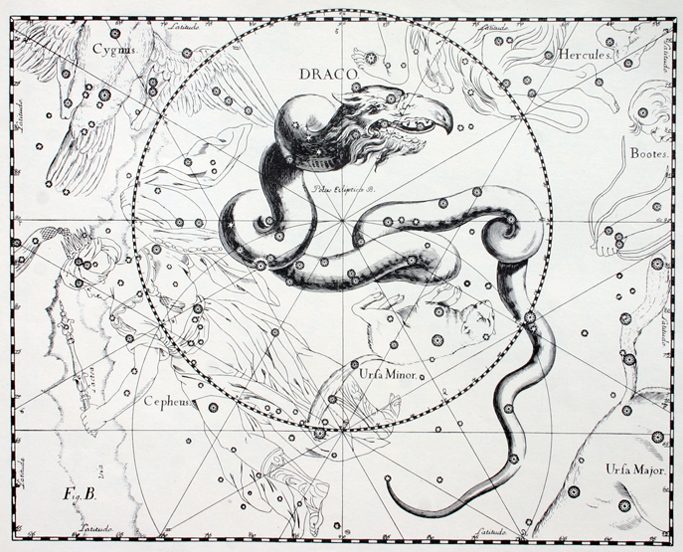
 Over the thousand years of Greek civilization there was a shift from tribal, agrarian beginnings toward the development of city-states. The ceremonies, myths and deities that reinforced either allegiance to the state or carried on older, fertility enhancing agricultural practices developed significant differences. Athena, the goddess of Athens, was the warrior daughter of Zeus, armed with a bright helmet, a spear and the aegis of Medusa. Her primary ceremony was the Pan Athenia a series of games and competitions among men, with a larger competition taking place once every four years. The opening ceremony involved the entire city and the women of Athens wove new robe for Athens’ statue which was ceremonially presented, but otherwise it was a segregated event. Her Pan Athenia took place in high summer when the constellation of Cygnus culminates, so that the goddess appeared to ride above the all night festivities called Pannychis (all-nighter).
The goddesses Demeter and Persephone represented the other side of the population. Initially only women were allowed to participate in the Eleusinian Mysteries and related agricultural ceremonies, which took place throughout the year. Eventually, the Mysteries were opened to anyone who did not have “blood guilt.” In other words, anyone who had killed another person was barred. Since the city-states began as military coalitions, this meant that virtually all of the male citizens were soldiers. The Mysteries were famous for being open to women and slaves.
Their ceremonies may have started as work parties for agricultural tasks, such as sowing, harvest and threshing. These tasks and the festivals that they inspired were timed to a lunar and sidereal calendar. For example, a sowing festival was timed to occur on the full moon culminating with the helical rising of Spica (spike of grain), the alpha star of Virgo, and another face for Persephone.
Even though we continue to tell a sanitized story of Persephone and Demeter to explain the seasons, the original hymn was one of the longest and the ceremonies took place over ten days. Persephone was the Greek embodiment of a dying and resurrected goddess in the tradition sense of a deity that regularly spends part of her life in the Underworld. The “immortality” of circumpolar stars may have been particularly inspiring to the civil leaders, but the agrarian festivals were intimately bound to the rise and set stars that disappeared below the horizon and reemerged from the Underworld later. Is it any surprise that the influential writers of later Greek culture who were able to attend the Eleusinian Mysteries came away transformed, claiming that it had given them great hope in the face of death?

 Decoding the Night