Thanks for joining me!
The heavens are full of gods to whom we give the names of stars – Aristotle
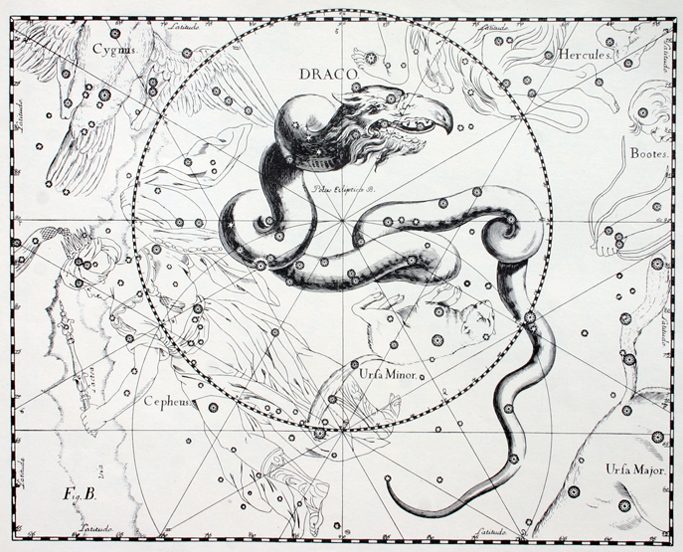
About seven years ago, I was reading about ancient calendars and Greek mythology, when two phrases popped out: the highest seat of heaven and immortal gods. The highest seat of heaven reigned over everything, was the most desirable location in the universe and was the home of the gods, as well as immortalized heroes. It was also universally recognized as a term for the north celestial pole, where we find the North Star today. It would seem that it is also the throne of the immortal gods. Not all of the Greek gods were called immortal. It took me a moment to realize that being divine did not automatically infer immortality. The epiphany came when it dawned on me that the stars that do not set, because they are close to the north celestial pole, represented the immortal gods.
To the ancient Greeks, the horizon was the edge of the Underworld. Any star that set below the horizon died. As it turns out, stars that are not close to the north celestial pole, appear to set below the horizon and then are not seen again in the night sky for several months. The return of those stars was considered a the resurrection of that god, marked by holy festivals. This is the astronomy that inspired the myths of dying and resurrected gods. In contrast, the immortal gods were always visible at least during some part of each night and never entered the Underworld below the horizon.
Naturally the highest seat of heaven was occupied by the lord of the heavens, Zeus, according to the Greeks…

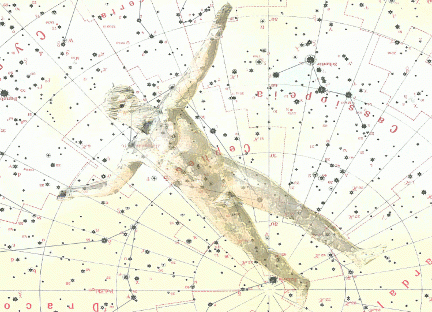
Image copyright Jeff Mathison.

 Decoding the Night